
Object stories
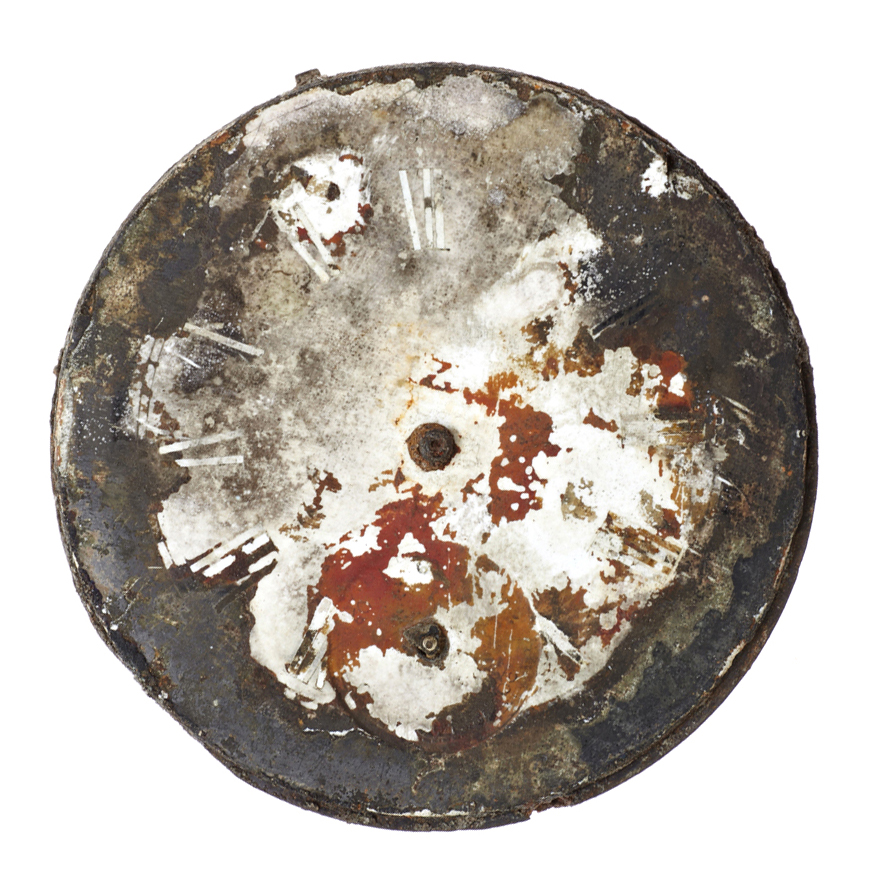 NZR2.00521MTL097
pocket watch
These are the remains of a pocket watch with an enamel face dating from between 1875 and 1900. It was possibly made in France and somehow fell into the water along the Rokin. The first simple watch with a spring drive mechanism originated in the 16th century and was perfected in the 17th and 18th centuries. The introduction of this particular type of pocket watch around 1800 made it possible to tell the time with much greater accuracy. The first time measurement devices were sundials. When the sun reached its zenith, it was midday, 12 o’clock. But this meant that when it was 12 o’clock in Amsterdam, it was minutes later in the east of the Netherlands. It was not until 1909 that it was the same time all over the country. The clock on the church tower of the Westerkerk became the standard timekeeping device for ‘Amsterdam Time’ (UTC +0:20), which remained the official time throughout the Netherlands until 1937. The need for clocks across the country to be synchronised was prompted by the advent of the railways.
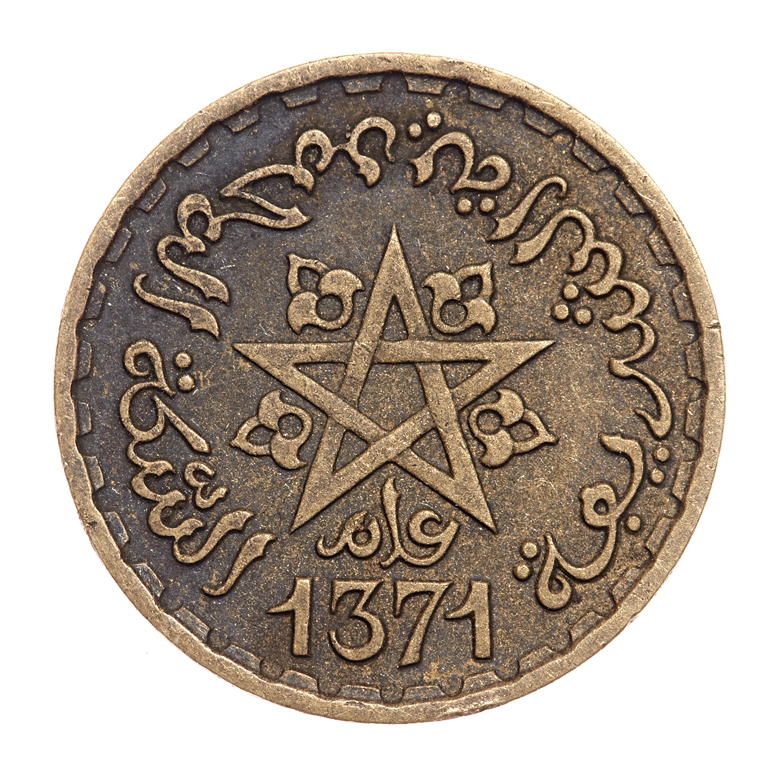 NZD1.00628MTL064
coin
This Moroccan coin is stamped with the year 1371. The date is based on the Islamic calendar, which is tied to the lunar cycle in which a year has approximately 354 days. The starting point for the Islamic calendar is Muhammad’s emigration from Mecca to Medina (Jathrib) on 15 or 16 July 622 AD. The Islamic year 1371 corresponds with the period 2 October 1951 to 21 September 1952 in the Christian calendar. This means the coin still dates from the period of the French protectorate of Morocco (which lasted until 1956).
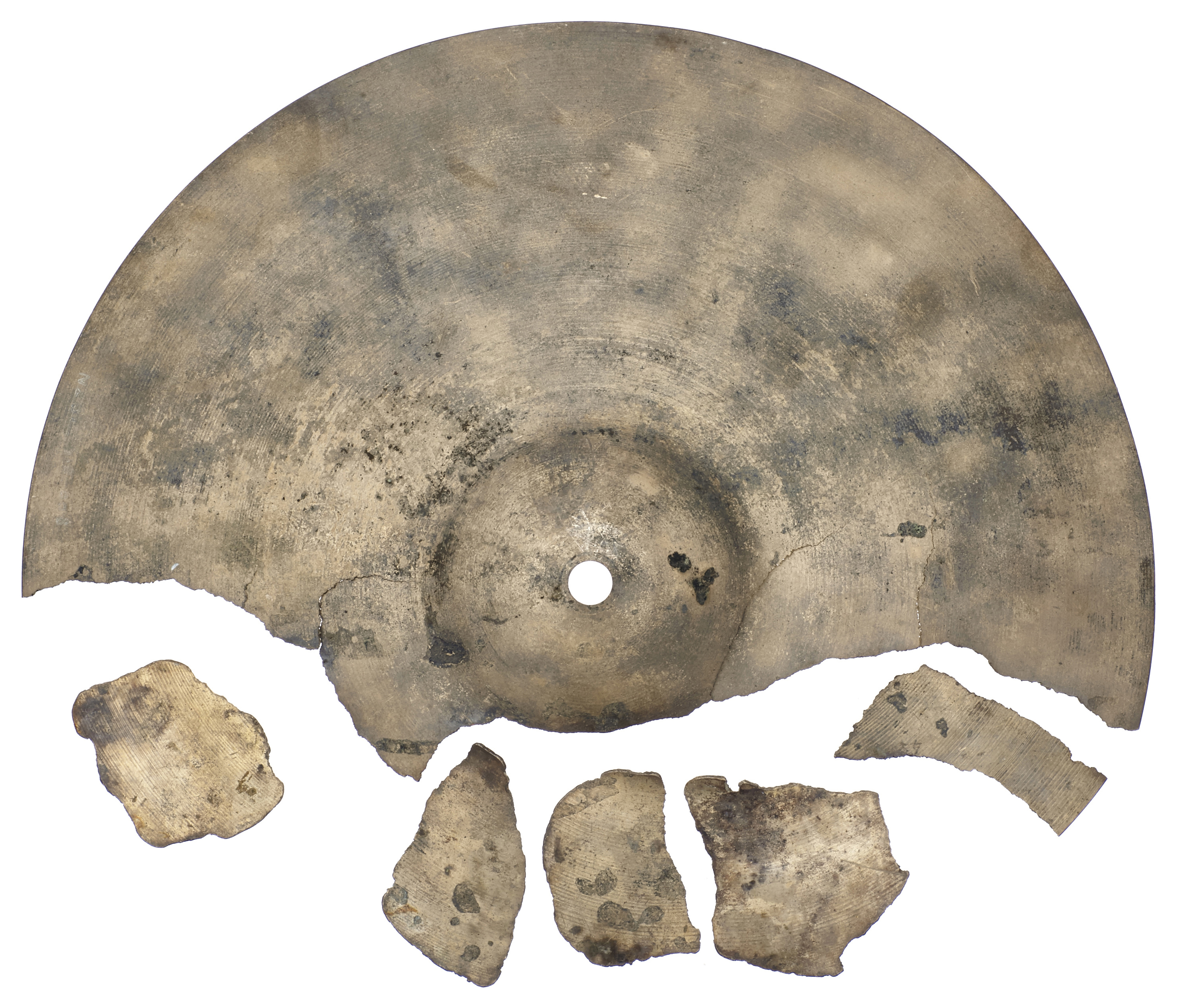 NZD1.00618MTL008
cymbal
Bronze cymbals, such as this one from a 20th-century drum set or fanfare band, have their roots in the bands of the Janissaries. These soldiers belonged until 1826 to the elite units of the Turkish army. In battle they were accompanied by their own musicians, to boost their courage, while at the same time intimidating the enemy. The instruments the musicians used included drums, crescent bells and cymbals. This musical practice was adopted by the armies of Western Europe, where from the end of the 17th century military bands sprang up. This in turn influenced civil music. Nowadays no brass band or carnival is complete without the ‘Turkish drum’. And what is a drum kit without cymbals?
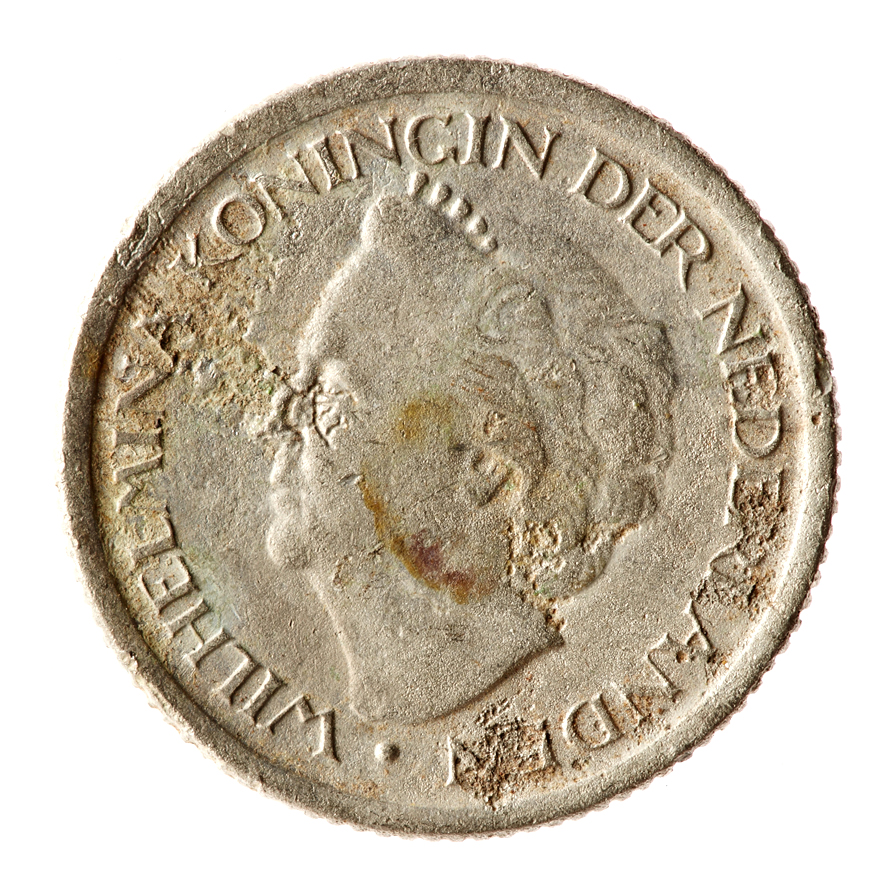 NZD1.00321MTL308
coin
This kwartje (twenty-five cent coin worth a ‘quarter’ of a decimal Dutch guilder), bearing the portrait of the Dutch Queen Wilhelmina and dated 1948, was struck in 1949 and 1950 after she stepped down from the throne. The dies with the portrait of Queen Juliana were not ready until 1950. Up to that time Juliana granted permission for coins to be minted with her mother’s portrait. Although Wilhelmina is referred to as ‘queen’ on this coin, she had already assumed the title of princess at the time they were produced. The Wilhelmina ‘quarter’ remained legal tender until 28 January 2002.
 NZR2.00524MTL022
miniature car
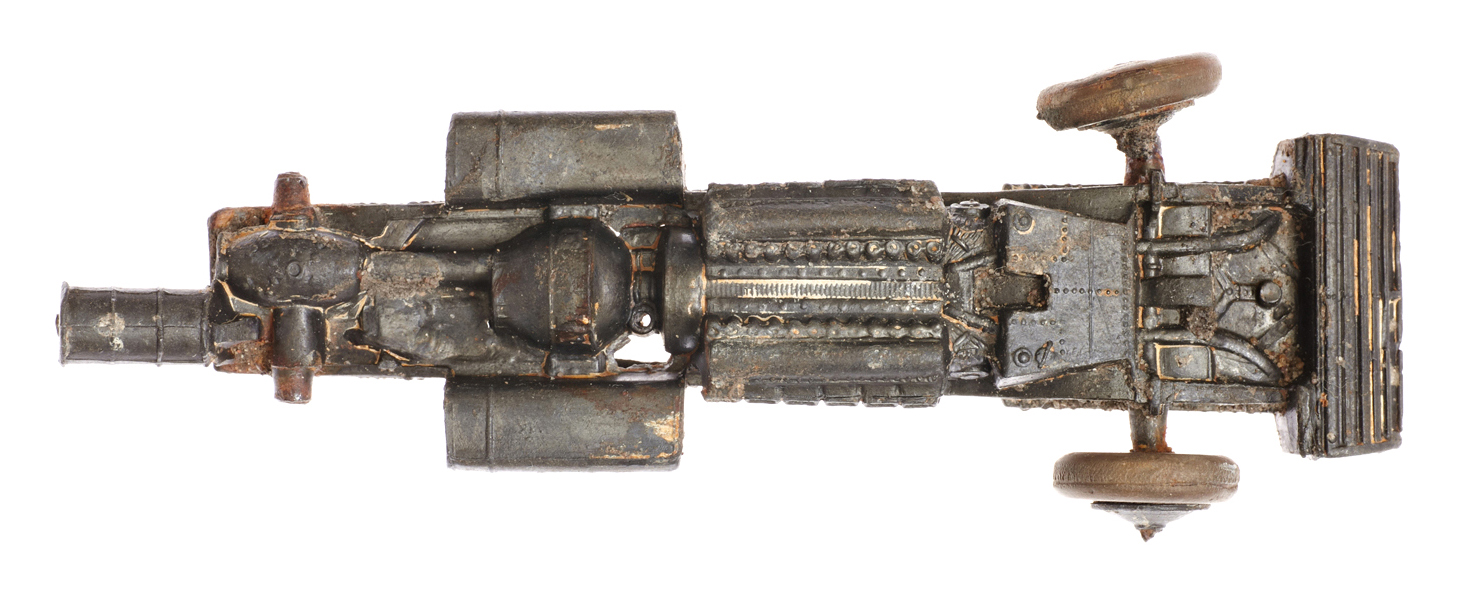
On 3 September 1935 Sir Malcolm Campbell broke the world speed record on the Bonneville salt flats in Utah. His Bluebird with the Rolls Royce R Merlin V12 motor reached a speed of 301 miles (484 km) per hour. This is the chassis of a toy version of the Bluebird. It was made by Britains Ltd in England. The car was probably brand new when it landed in the Rokin, which was filled in with sand in 1937.
 NZR2.00523MTL142
radiator hood cap
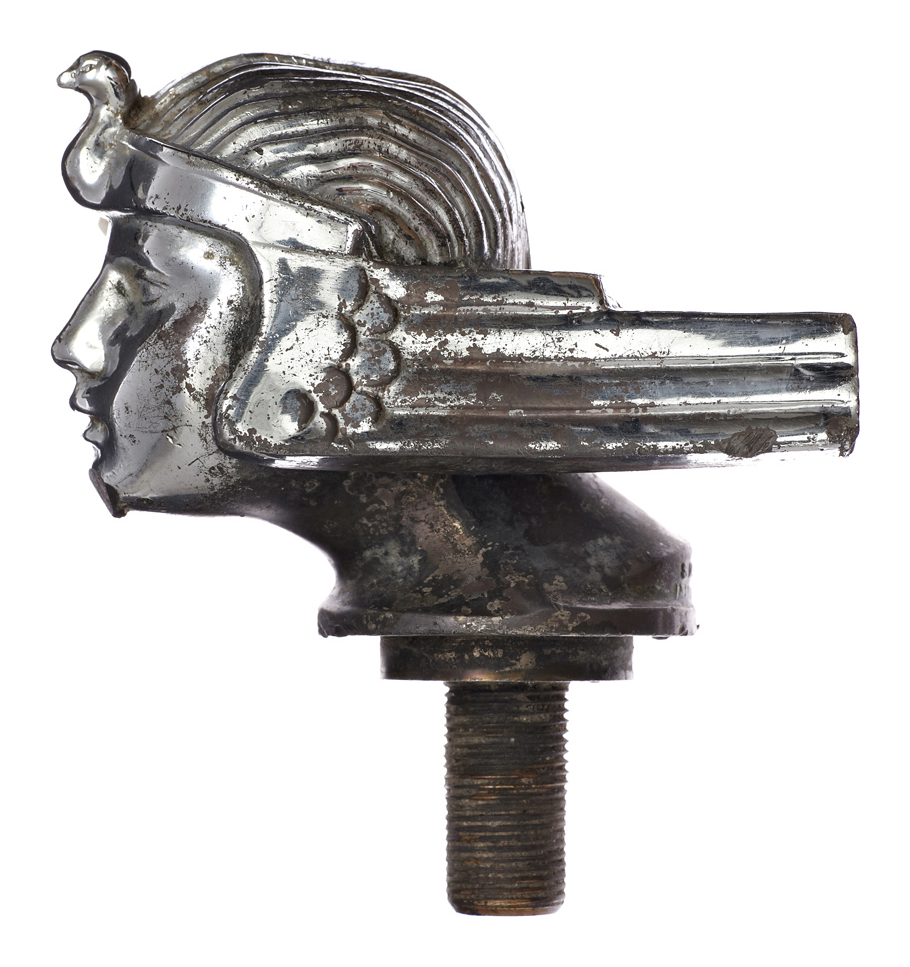
The discovery of Tutankhamun’s tomb in 1922 sparked a worldwide Egyptian craze in art, film, fashion and industrial design. A good example in the automobile industry is this radiator cap from a Stutz Model AA Vertical Eight. The extremely luxurious American 92 horsepower car was an exclusive means of transport. In the late 1920s and early 1930s there were only a handful of them on the road in the Netherlands.
 NZR2.00521MTL077
button (civil service uniform)
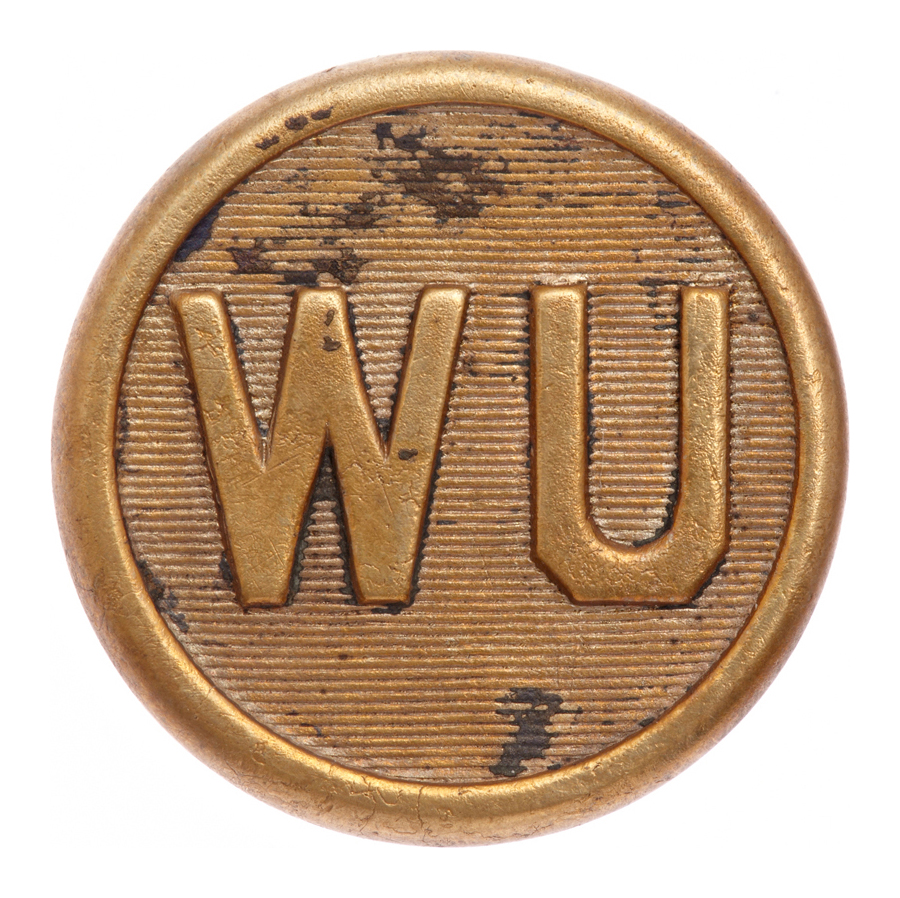
This button comes from the uniform of a telegram delivery boy of the Western Union Company. This American telegraph company was founded in the mid-19th century. In the 1920s the Western Union had a telegraph office in the square near the stock exchange, connecting the exchange to what was then the world’s largest communication network.
 NZR2.00536BWM026
pinial
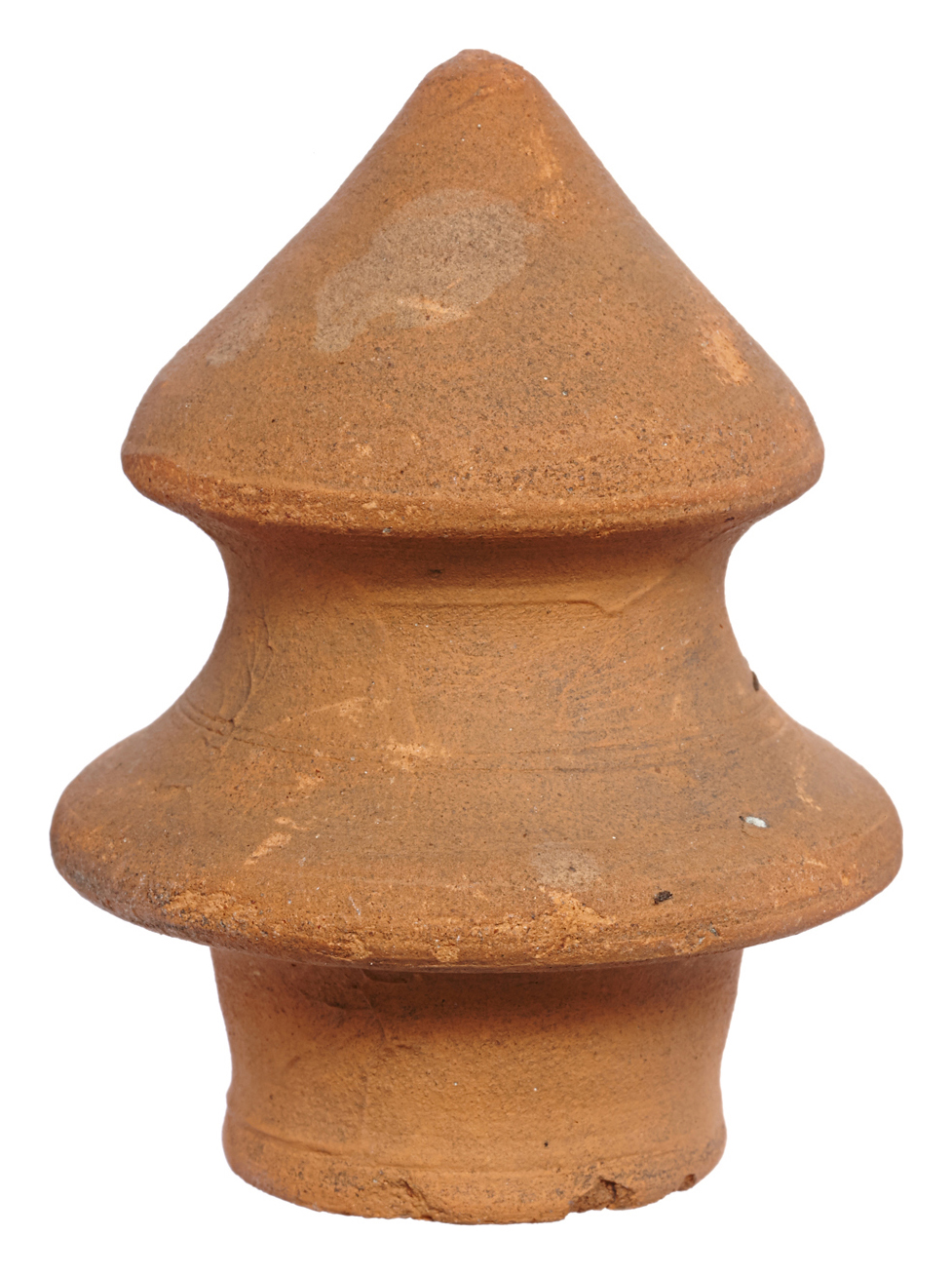
The top of the ridge of a roof where three or more roofing sections come together is sometimes decorated with a piron or peak. This ornament is often made of terracotta, lead or zinc. It can be ball-shaped or pointed or a combination of both. This pointed clay piron, made around 1900, is only 9.5 cm high and would scarcely have stood out against the red roofing tiles.
 NZR2.00031MTL002
plate
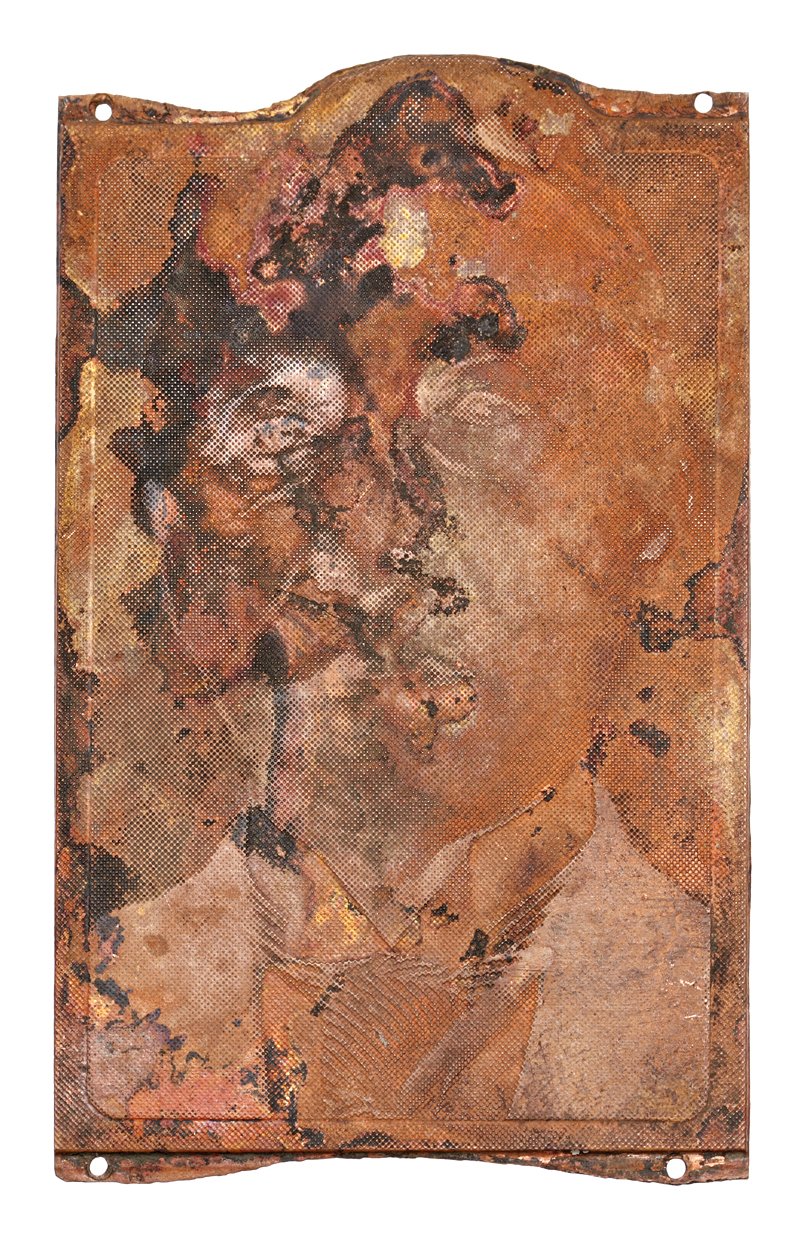
Halftone blocks were used to relief print illustrations. A block is made by placing a negative face down on a – in this case – copperplate with a light-sensitive coating. After exposure the plate is immersed in a bath of acid, which etches the non-exposed areas creating an image on the plate. With the aid of a screen this negative image is then converted into an image composed of dots. The print from this block depicts the portrait of an unknown, distinguished-looking man, who, judging by his clothing, was photographed around 1900-1910.
 NZD1.00493MTL002
horseshoe
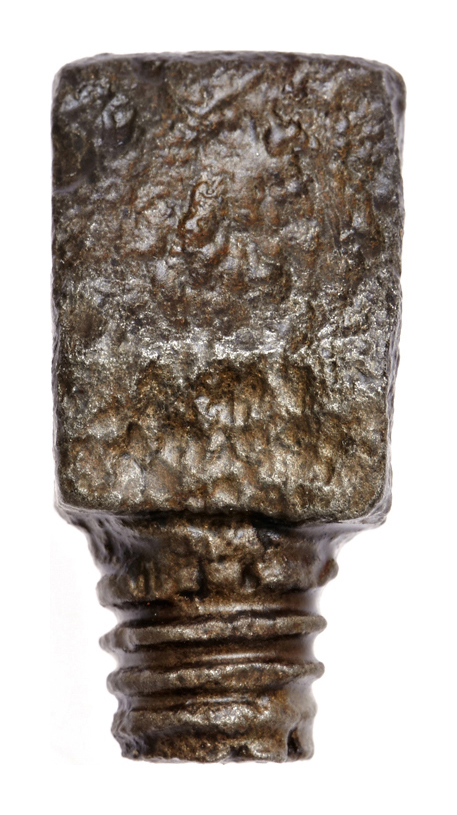
Until the early 20th century horse-drawn carriages were the main form of transport for passengers and goods. Although ships were more efficient for carrying bulk, horses in full gallop clearly had the advantage of speed. A drawback was that in densely populated urban areas horses in full gallop regularly ran into people and animals. In the winter horses travelled at a much slower speed on the frozen roads. To maintain a good grip in these conditions, wedge-shaped iron studs, called calkins, were screwed under their hooves. The term calkin comes from the old Picardian ‘calcain’, meaning heel. This example is c. 36 mm high with a screw thread of c. 12.5 mm in diameter, and dates from 1841-1950.